Excellent place to enjoy a diverse experience of coffee making. They have several methods of growing each one a whole experience. And it is inexpensive.
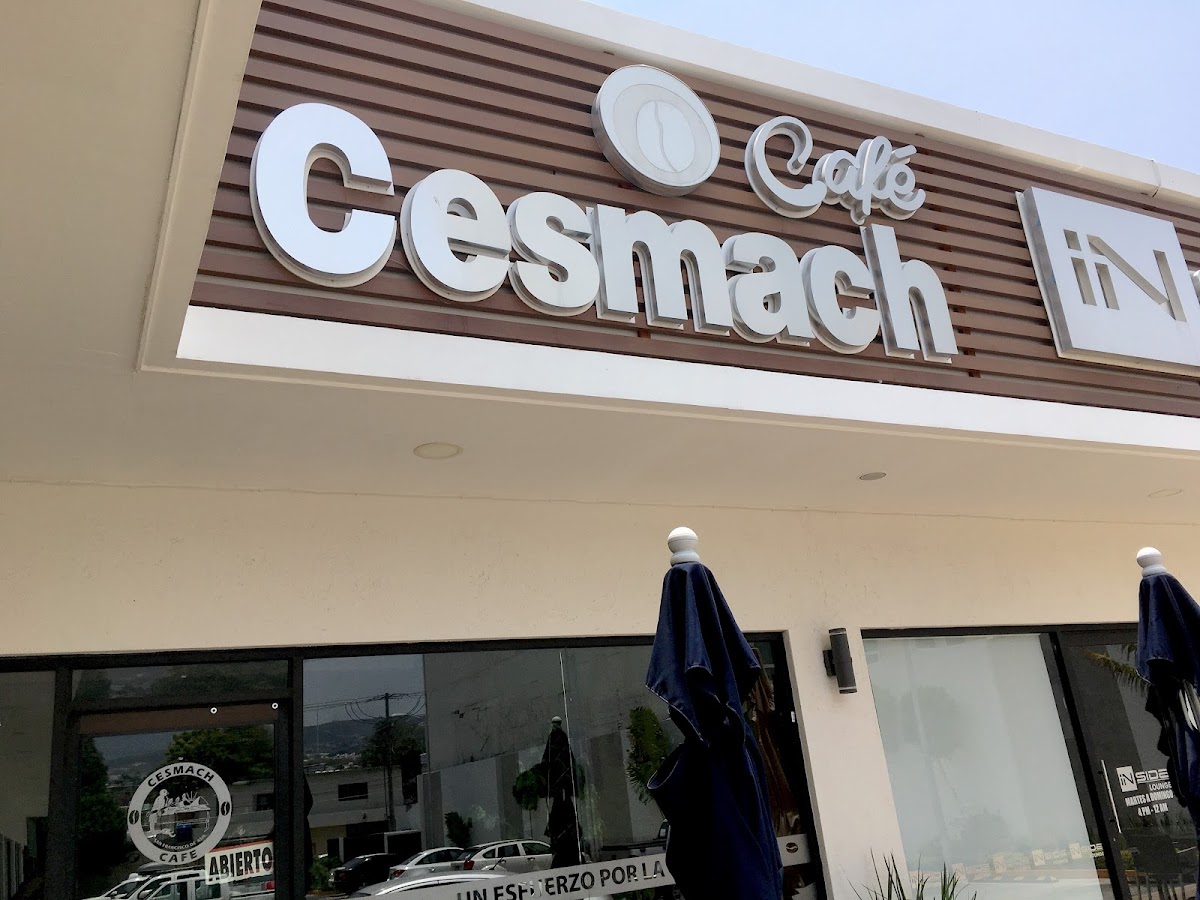
Overview
Walking into Cesmach Café for the first time, the smell of freshly roasted coffee hits you before you even glance at the menu. Located at Plaza 404 North, 5a. Nte. Pte., Bonampak, 29030 Tuxtla Gutiérrez, Chis., Mexico, this café has quietly built a reputation among locals who care deeply about where their coffee comes from and how it’s prepared. I’ve stopped by on busy weekday mornings and slower afternoons, and the experience consistently feels relaxed, intentional, and welcoming.
What sets this place apart is its connection to Chiapas coffee culture. Cesmach works directly with small-scale coffee producers, many of whom are part of cooperative farming models. According to data from Mexico’s National Institute of Statistics and Geography, Chiapas produces over 40% of the country’s coffee, much of it grown at high altitudes ideal for complex flavor profiles. You can taste that difference here. The baristas explain the process clearly, from bean selection to roasting, and you’ll often hear them mention direct trade relationships and ethical sourcing practices, which isn’t just marketing talk but something you can verify through producer cooperatives operating in the region.
The menu is focused but thoughtful. Instead of overwhelming choices, it highlights quality brewing methods like pour-over, French press, and espresso-based drinks. I once watched a barista recalibrate the grind size mid-service to adjust for humidity, a small but telling detail that shows real expertise. Food options lean toward light café fare, including pastries and simple breakfast plates that pair well with coffee rather than overpower it. Reviews from regulars often mention consistency, and that’s been my experience too. Whether it’s a cappuccino or a black coffee, the balance stays on point.
There’s also a quiet educational side to the café. Cesmach frequently shares information about sustainable agriculture and fair compensation for farmers. Organizations like the Specialty Coffee Association emphasize that transparency in sourcing improves both quality and farmer livelihoods, and this café follows those principles closely. In casual conversations, staff members reference cooperative standards and post-harvest methods in a way that feels informed rather than rehearsed, which builds trust quickly.
The space itself supports long stays without pressure. Students bring laptops, professionals hold informal meetings, and tourists stop in after exploring nearby locations. Seating is comfortable, and the layout encourages conversation without being noisy. I’ve noticed that even first-time visitors tend to linger, often asking staff for recommendations or details about the beans on offer. That level of engagement says a lot about the atmosphere.
One thing worth noting is that peak hours can get crowded, especially mid-morning. While service remains friendly, wait times may stretch slightly during those moments. Still, accuracy doesn’t suffer, and drinks come out carefully prepared. Transparency is part of the experience here, and staff won’t hesitate to explain delays if they happen.
Overall, Cesmach Café feels grounded in real-world practice rather than trends. From the menu choices to the way coffee is discussed and served, everything aligns with what researchers and industry professionals agree makes specialty coffee sustainable and enjoyable. For anyone exploring cafés in Tuxtla Gutiérrez and reading reviews before deciding where to go, this spot consistently delivers an experience that feels honest, informed, and rooted in local expertise.
Good to know
Service options
✓ Outdoor seating ✓ Takeaway ✓ Dine-inHighlights
✓ Great coffee ✓ Great dessert ✓ Great tea selectionPopular for
✓ Solo dining ✓ Good for working on laptopAccessibility
✓ Wheelchair-accessible car park ✓ Wheelchair-accessible entrance ✓ Wheelchair-accessible seatingOfferings
✓ Coffee ✓ Quick bite ✓ Small platesDining options
✓ Brunch ✓ Lunch ✓ Dessert ✓ Seating ✓ Table serviceAmenities
✓ Toilet ✓ Wi-Fi ✓ Wi-FiAtmosphere
✓ Casual ✓ Cosy ✓ Quiet ✓ Romantic ✓ TrendyCrowd
✓ Family friendly ✓ Groups ✓ LGBTQ+ friendly ✓ Transgender safe spacePlanning
✓ Accepts reservationsPayments
✓ Credit cards ✓ Debit cardsChildren
✓ Good for kids ✓ High chairsParking
✓ Free parking lot ✓ ParkingPhotos
1 / 4
Location
Reviews
- No ratings yet 243 reviews
Excelente servicio, atención y el café muy bueno. Tienen aire acondicionado, ubicado en una pequeña plaza al poniente de la ciudad.
Hace unos días fuimos con un amigo y nos sorprendió que tienen diferentes tipos de extracciones del café (en la foto se aprecia un sifón japonés), además de que los precios son buenos y el ambiente agradable y también cuentan con un buen servicio, lo único malo talves es que el lugar está muy encerrado y la temperatura del ambiente estaba algo caliente, creo que me acostumbré a que las cafeterías tienen aire acondicionado pero bueno no sé si este aire afecte al café de especialidad que venden ahí, es un punto no tan importante si en verdad llegas por probar una taza de un café de calidad
Muy buen cafe, tranquilo, ideal para trabajar y reuniones. Buenos baguettes. Mala iluminación.